Choosing a Vintage Hand Plane for Your Next Woodworking Project
A practical guide to picking the right vintage plane—smoothers, jacks, jointers and specialty tools like circular planes—and simple tuning steps to get them working reliably for everyday use.

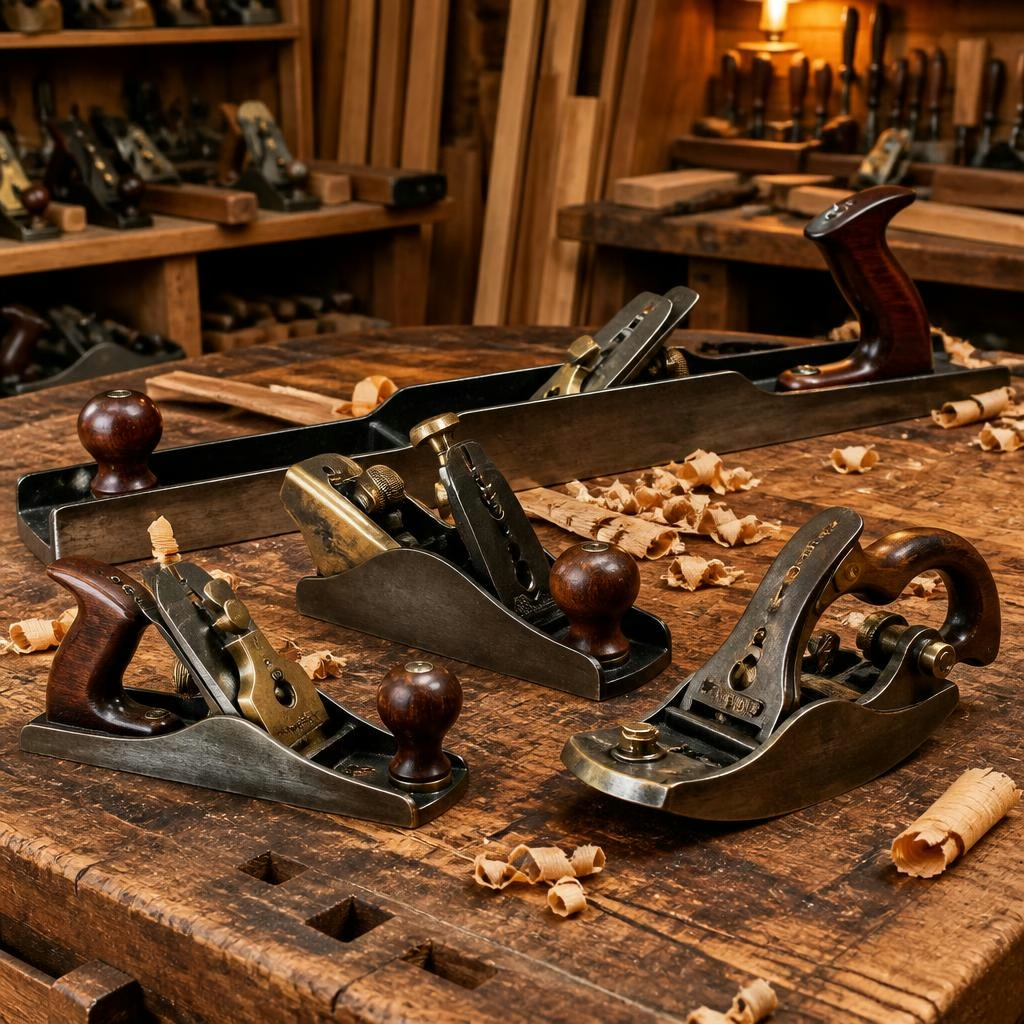
Why choose a vintage plane?
Vintage planes are prized for their solid construction, comfortable weight and knife-like irons. For many woodworkers a well-preserved older plane will outperform a cheap modern alternative and develop a familiar feel with use. If you’re shopping online, look for detailed photos and honest descriptions so you can judge wear, pitting or previous repairs before you buy.
Common plane types and what they do
Start by matching the plane type to the task: a smoothing plane (short, low-angle or standard) is for final surface work and removing light shavings; a jack plane (medium length) is a general-purpose workhorse for dimensioning and smoothing; a jointer (long sole) straightens and trues edges for glue-ups. Specialty planes—rabbet, shoulder, block, and circular planes—handle specific joinery or profiles. Choosing the right style first will guide size and condition priorities when you inspect listings.
Size and sole length: choosing for the job
Length matters: shorter soles follow small contours and are easier to control; medium-length planes are versatile for flattening faces and removing stock; long jointers bridge gaps and produce straight edges. If you work mostly on small furniture or boxes, favour shorter smoothing or block planes. For doors, boards and long edges, prioritise a longer jointer. When buying used, consider whether the sole is straight or can be flattened—an otherwise good body with a slightly out-of-flat sole is often worth the effort.
What to check in a vintage plane listing
Examine photos and descriptions for these practical signs: a smooth, unwarped sole (or clear evidence it’s repairable), a clean bed and frog, a usable iron with reasonable edge and no deep pitting, intact adjustment mechanisms, and original or serviceable lever cap and screws. Rust surface can often be removed; heavy, deep corrosion on mating surfaces is a bigger concern. Good sellers will show multiple angles and close-ups of the blade, mouth and sole—use those images to form questions before you buy.
Basic tuning steps to make a vintage plane work daily
Tuning a vintage plane is usually straightforward: flatten the sole if needed using sandpaper on a flat reference, lap the iron flat and hone a sharp bevel, clean and lightly oil sliding parts, set the mouth appropriate to the cut (tighter for fine shavings), and adjust the frog and lateral alignment for a consistent mouth opening. Small repairs—staking loose handles, replacing a missing screw or dressing a chip breaker—often restore reliable performance. Keep safety in mind and work slowly when reconditioning irons and soles.
Specialty: circular planes and other less common tools
Circular or compass planes are handy when working curved surfaces—useful for chair seats, round moldings or shaping templates. Inspect their sole and fence for smooth travel and check the blade’s condition and adjustability. Other specialty planes (shoulder, rabbet, molding planes) are valuable for repeatable joinery; if you need a rare profile, a seller who provides clear photos, measurements and a good return policy makes buying with confidence much easier.
Buying from The Tool Exchange Australia: tips for a confident purchase
When you find a plane you like on The Tool Exchange Australia, use the detailed photos and descriptions to decide, and don’t hesitate to ask questions—Chris is noted for helpful, prompt responses. Customers often praise accurate listings, careful packaging and fast dispatch, which matters when you're ordering vintage tools from afar. The Tool Exchange ships to multiple regions, so check postage and packaging notes, and consider the seller’s photos and condition comments alongside your own needs before bidding or buying.
Article by
Tool Exchange
The Online home of fine old tools. Quality pre loved vintage handools | Planes |Chisels |Hammers, Estwing| axes |dial gauges| Stanley tools| Record| Starrett| Leather Tools | Jewellers Tools |Engineer machine tools | Spanners | Pliers| We love a good find at the Tool Exchange; We strive for excellence in customer service. All our tools are packed with care and attention to detail, So they arrive at your door as soon as possible in great condtion. We also love a great photograph of the tool, so you can see excatly what you are buying online.Wether you want pristine in a display case or a weekend project we've got you covered if you have any further questions about a particular tool feel free to call Chris.