User Grade vs Display Piece: Choosing the Right Vintage Tool for How You Work
A practical guide to deciding whether to buy a vintage tool to use hard in the shed or to admire in a cabinet, with concrete checks for planes, chisels and gauges and tips for matching condition to purpose and budget.

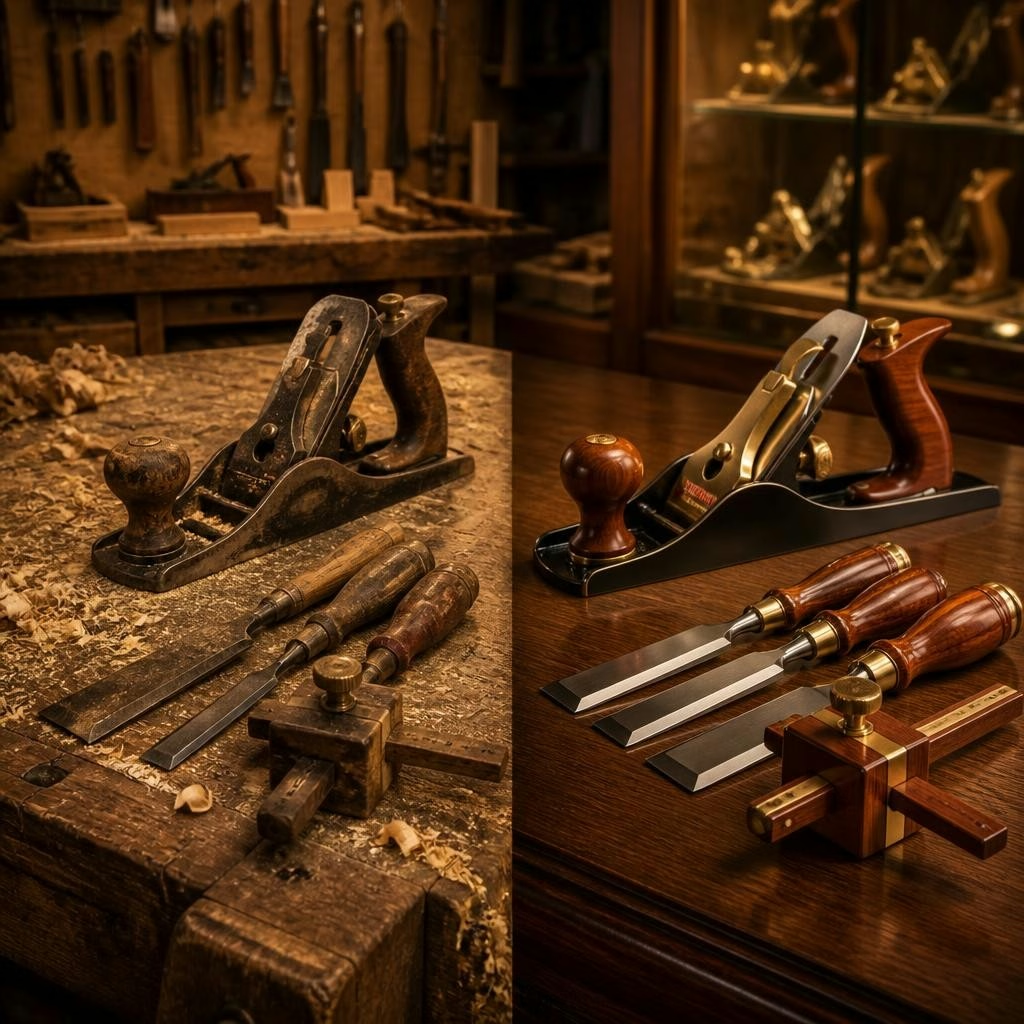
Why the distinction matters
Buying vintage tools is fun, but it helps to decide up front whether you want something to work with every day or something to admire. A user-grade tool will be chosen for function, ease of restoration and value; a display piece will be chosen for looks, patina and rarity. This article explains the practical differences and gives simple checks so you can match a purchase to your real-world needs and wallet.
What to expect from a user-grade tool
User-grade vintage tools are selected for reliability and repairability. Expect a solid working surface, blades that can be re-sharpened, sound handles or ones that are easily replaced, and tolerable cosmetic wear such as dings or surface rust. Sellers who understand working tools will often test fitment, examine blades and note any necessary restoration — information that helps you avoid surprise work before the tool becomes useful.
What makes a good display piece
Display pieces are primarily about appearance and history. They may have attractive patina, maker’s marks, or original finishes that you wouldn’t want altered. A display item might not be perfectly tuned for shop work: the sole may be slightly worn, the blade may be lightly pitted, or adjustments may be stiff. If your priority is a cabinet conversation piece or a near-original example for a collection, accept small functional compromises in exchange for aesthetics and provenance.
Quick checks for planes, chisels and gauges
Planes: look at the sole for major gouges and check for overall flatness; a plane with a slightly worn sole can often be trued, but deep repairs add work. Inspect the blade for edge integrity (nicks, pitting) and that the frog or adjustment mechanism moves. Chisels: check that the blade steel is solid and that the tang/handle connection is secure; small nicks are fixable, but a split handle or badly rusted ferrule is more work. Gauges and callipers: verify the scale and thumbscrews move smoothly and the faces are clean — accuracy matters here. When buying online, use clear photographs and ask for close-ups of the working surfaces and adjustment parts.
Matching purchase to your work and budget
If you plan to use a tool every day, prioritise sound mechanics and easy-to-restore parts over cosmetic perfection. That often gives more value for money than buying an untouched showpiece that needs no work but may be less practical. Conversely, if you want something for display, seek original finishes and attractive markings even if that means paying a premium. Customers frequently report that sellers who understand whether a buyer wants to work a tool or display it can recommend the right item — it’s worth asking the seller to confirm which category a listing fits.
Simple aftercare to keep working tools performing
A modest amount of restoration makes many vintage tools excellent performers: clean light surface rust, flatten and polish soles where needed, restore or replace handles, and sharpen blades to suit your work. Use light oil for moving parts and store tools dry. If you’re new to restoration, start with small projects and seek guidance — many sellers and communities offer advice on straightforward, reversible repairs that preserve value while making the tool usable.
How The Tool Exchange can help you decide
The Tool Exchange Australia lists a wide range of vintage planes, chisels, gauges and more with careful photos and detailed descriptions so you can judge condition at a glance. Customers consistently note accurate listings, careful packing and prompt shipping, and the seller is willing to discuss whether a particular item is better suited for use or display. If you’re unsure, contact the seller with specific questions or request extra photos of the working surfaces — that simple step often makes the difference between buying the right tool and taking on unexpected restoration work.
Article by
Tool Exchange
The Online home of fine old tools. Quality pre loved vintage handools | Planes |Chisels |Hammers, Estwing| axes |dial gauges| Stanley tools| Record| Starrett| Leather Tools | Jewellers Tools |Engineer machine tools | Spanners | Pliers| We love a good find at the Tool Exchange; We strive for excellence in customer service. All our tools are packed with care and attention to detail, So they arrive at your door as soon as possible in great condtion. We also love a great photograph of the tool, so you can see excatly what you are buying online.Wether you want pristine in a display case or a weekend project we've got you covered if you have any further questions about a particular tool feel free to call Chris.